ANTM Netflix Doc: Why Tyra Banks Faces New Criticism
The recent Netflix docuseries, Reality Check: Inside America’s Next Top Model, has reignited a fierce debate surrounding one of television's most iconic figures, Tyra Banks. For over two decades, America's Next Top Model (ANTM) captivated audiences, but the release of this Tyra Banks' ANTM Doc: Accountability & Fan Backlash Explored has thrust its creator and host back into the spotlight, not always for positive reasons. Viewers and former contestants alike are scrutinizing the show's past actions through a contemporary lens, leading to renewed criticism of Banks and the show's practices.
While the original run of ANTM was a cultural phenomenon, celebrated for its unique blend of high fashion and dramatic reality television, the modern perspective brought by the Tyra Documentary has unveiled a more complex and, for many, troubling narrative. The central theme emerging from online discussions and expert analyses is a pervasive feeling that Tyra Banks has not fully taken accountability for the show's more controversial moments, often appearing out of touch with current sensibilities.
The Centrality of Accountability in the Tyra Documentary Backlash
A significant portion of the online response to Reality Check zeroes in on Tyra Banks' perceived lack of accountability. Viewers have noted a pattern where successful outcomes or positive aspects of ANTM are attributed to her visionary leadership, while problematic incidents are often distanced from her direct responsibility. This narrative, as observed by many, creates a disconnect that fuels the current criticism.
One poignant example frequently cited involves the show's controversial "race-swap" challenge from Cycle 12, where contestants were made up to appear as different ethnicities. While a dramatic and often uncomfortable moment for viewers even at the time, seeing it re-examined in the Tyra Documentary has highlighted just how tone-deaf such a segment now appears. For many, the documentary's portrayal of these moments, and Banks' reflections on them, falls short of the deep self-reflection and apology they expected.
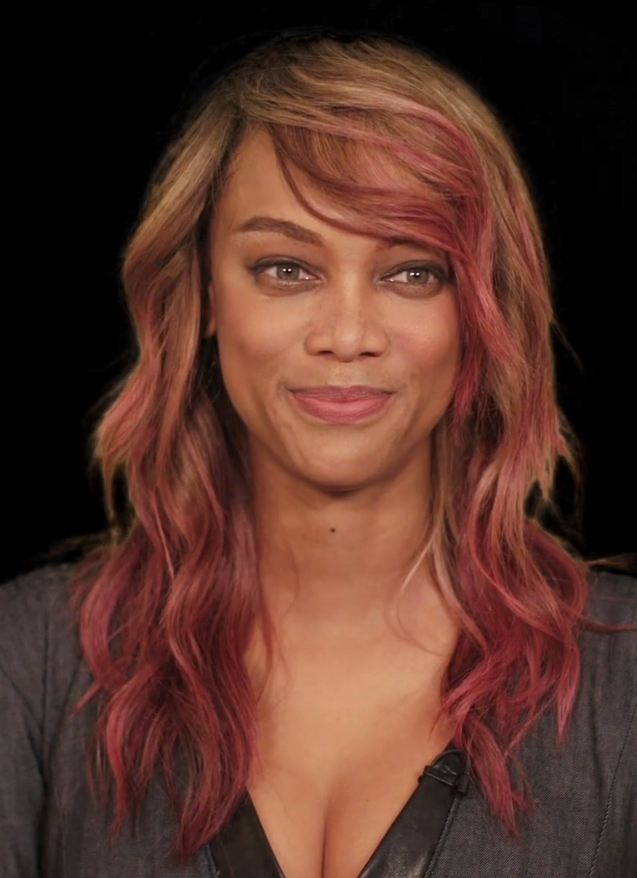
Furthermore, criticisms extend beyond the content of the show itself to Banks' interview style within the documentary. Some viewers commented on her tone of voice and even wardrobe choices, perceiving them as indicative of an unwillingness to fully engage with the gravity of the past issues. This perception of evasiveness, whether intentional or not, has only intensified the demand for a more direct acknowledgment of the show's shortcomings and the potential impact on its young, impressionable contestants.
Interestingly, amidst the waves of criticism directed at Banks, there has been a strong outpouring of support for other key figures from ANTM, particularly J. Alexander, affectionately known as "Miss J." His candid demeanor and genuine interactions with contestants, as highlighted in the docuseries, stand in contrast to the more guarded image some perceive from Banks, further emphasizing the viewer's desire for authenticity and empathy.
Reality TV's "Wild West": A Crucial Context for the Tyra Documentary
One of the most robust defenses of Tyra Banks and ANTM's past actions has come from talk show host Sherri Shepherd, who tearfully argued for the importance of historical context. Shepherd emphasized that when ANTM premiered in 2003, reality television was a nascent and largely unregulated genre, an era she vividly describes as the "wild, wild west."
In those early days, reality shows were constantly pushing boundaries, vying for attention and ratings in a saturated market. Producers and networks often prioritized sensationalism and dramatic conflict to keep audiences engaged, leading to scenarios that would undoubtedly be deemed unacceptable by today's standards. Shepherd's argument suggests that many of the questionable decisions made on ANTM, viewed in the Tyra Documentary, were products of that cutthroat environment, where the pressure to "outdo each other to stay on the air" was immense. Sherri Shepherd Defends Tyra: ANTM's Wild West Reality TV Era provides further insight into this perspective.
This historical framing introduces a vital debate: should past actions be judged solely by contemporary "woke" standards, or should the context of their time be given significant weight? While few would argue that problematic elements like the race-swap challenge were appropriate even then, understanding the landscape of early 2000s reality TV offers a more nuanced perspective on the systemic pressures at play. Today, audiences are far more attuned to issues of mental health, ethical production, and cultural sensitivity, demanding a level of care and accountability that was simply not commonplace two decades ago.
The Complexities of Tyra's Pioneering Role and Production Pressures
Beyond the "wild west" of reality TV, Sherri Shepherd also highlighted the unique challenges Tyra Banks faced as a "young Black woman trying to make it in the reality TV game." At a time when Black women were significantly underrepresented in positions of power within television production, Banks was a trailblazer, creating a platform that, for many, opened doors and provided opportunities that didn't previously exist.
Shepherd suggested that Banks fought battles behind the scenes that many viewers could never comprehend, navigating an industry that was not always supportive or equitable. The desire to keep the show on the air, to maintain that platform for aspiring models, especially those who looked like her, might have led to compromises or "bad decisions" in hindsight. Shepherd tearfully explained that sometimes producers must make difficult choices to secure a show's longevity, and in reflecting on these moments through the Tyra Documentary, Banks might be grappling with the complex legacy of those choices.
While this perspective doesn't fully excuse the problematic elements of the show, it adds a layer of understanding to the immense pressure cooker in which ANTM operated. Banks, by her own admission or as implied by her defenders, may have genuinely intended to empower and uplift, even if the execution sometimes strayed into exploitative territory. The documentary prompts a critical look at the intentions versus the impact, and the systemic forces that shape reality television production.
The Lasting Impact: Contestants' Reflections and the Call for Empathy
Perhaps the most compelling aspect of the renewed discussion, amplified by the Tyra Documentary, is the focus on the former contestants. Many of those who appeared on ANTM are now mature individuals, having processed their experiences over time. Their reflections, often shared on social media or in interviews, paint a picture of resilience but also underscore the emotional toll the show could take.
Despite appearing "beautiful and confident" now, many former contestants express little sympathy for the perceived lack of accountability from figures like Tyra Banks or Jay Manuel. This sentiment speaks to a lasting impact that goes beyond fleeting on-screen drama. The experiences, both positive and negative, shaped their lives, and the re-examination through *Reality Check* has allowed them to voice their perspectives with renewed clarity and strength.
The conversation sparked by the Tyra Documentary serves as a powerful reminder of the responsibility inherent in creating and producing reality television. It underscores the importance of ethical considerations, particularly when dealing with young individuals whose lives are put under intense public scrutiny. As audiences evolve and become more critically engaged, so too must the standards of media production. The legacy of ANTM, as viewed through the lens of this new documentary, is therefore not just a reflection on one show or one host, but a broader commentary on the evolution of reality television and our collective understanding of its ethical boundaries.
Conclusion
The Netflix docuseries Reality Check: Inside America’s Next Top Model has undeniably reopened a complex chapter in television history, prompting a crucial re-evaluation of Tyra Banks' role and the show's impact. The renewed criticism largely centers on perceptions of accountability and tone-deafness, particularly when viewed through today's heightened awareness of ethical production and cultural sensitivity. However, understanding the historical context of reality television's "wild west" era, coupled with the unique pressures faced by a pioneering Black woman in power, adds essential nuance to the discussion. Ultimately, the Tyra Documentary invites viewers to wrestle with a multifaceted legacy, acknowledging both the groundbreaking opportunities ANTM provided and the deeply problematic moments that, in hindsight, demand greater reflection and understanding from all involved.