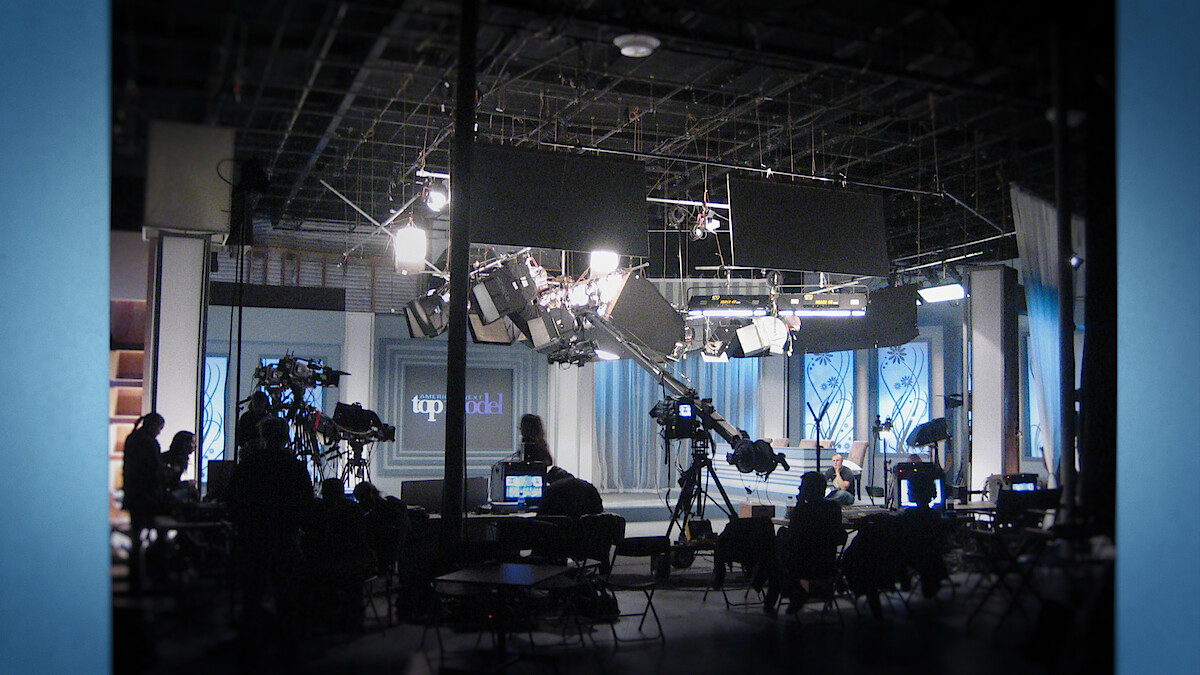
Tyra Banks' ANTM Doc: Accountability & Fan Backlash Explored
The recent release of the Netflix docuseries, Reality Check: Inside America’s Next Top Model, has ignited a fierce debate and brought decades-old controversies surrounding the iconic modeling competition and its creator, Tyra Banks, back into the spotlight. Viewers tuning into the Tyra Documentary expected a candid retrospective, but many have instead found themselves unimpressed, leading to widespread online backlash and a renewed call for accountability from the supermodel herself.
The Core of the Controversy: Accountability and Tone-Deafness
From the moment the Tyra Documentary dropped, a recurring theme dominated social media discourse: a perceived lack of accountability from Tyra Banks. Many viewers felt that the docuseries presented a narrative where successes were attributed to Banks' vision and pioneering spirit, while problematic aspects and contestant experiences were either glossed over or attributed to external factors. One common sentiment echoed online was that if something went well, it was Tyra "opening doors," but if something went wrong, she was conveniently "not part of production."
This selective recounting struck a dissonant chord with a modern audience far more attuned to discussions around mental health, race, and body image. Moments from ANTM's past, long criticized by fans, were revisited, often without the deep dive or genuine reflection many had hoped for. For instance, the infamous "race-swap" challenge from Cycle 12, featuring contestant Allison Harvard, resurfaced, prompting renewed dismay. Viewers pointed to Banks' demeanor, wardrobe choices, and overall tone in her interview segments within the Tyra Documentary as further evidence of a disconnect with public expectations for self-reflection.
Interestingly, while Tyra faced a wave of criticism, former runway coach and judge Miss J Alexander garnered significant support. His segments were often praised for their authenticity and humor, leading many to wonder aloud what critical perspectives or potentially damning insights might have been "cut" from the final edit of the docuseries, given the clear divide in audience perception regarding the show's various figures.
A Changing Lens: Reality TV's "Wild West" Era
Amidst the chorus of criticism, some voices have emerged to offer a counter-perspective, most notably talk show host Sherri Shepherd. Visibly emotional, Shepherd defended Banks, acknowledging the validity of current frustrations while urging viewers to consider the historical context in which America's Next Top Model first aired. She articulated that while the show undoubtedly did "awful things" to contestants, and Banks absolutely "needs to take accountability," the era of its inception in 2003 was vastly different.
Shepherd described early reality television as the "wild, wild west," a nascent genre where shows constantly strived to "outdo each other to stay on the air." In this landscape, ethical boundaries were often less defined, and the pursuit of shock value or dramatic narratives frequently overshadowed contestant well-being by today's standards. This perspective highlights a crucial point: "We're woke now, we know so much more now than we did back then." The societal shift in awareness around issues like body positivity, diversity, and mental health has fundamentally changed how audiences consume and evaluate past media.
Furthermore, Shepherd emphasized the unique challenges faced by Tyra Banks as "a young Black woman trying to make it in the reality TV game." At a time when Black women were scarcely found in positions of power within television production, Banks was fighting battles that many might never comprehend—battles to keep a groundbreaking show on air and to provide a platform for diverse models. While hindsight offers clarity on decisions that could have been handled differently, Shepherd argued that some choices, though imperfect, were made with the genuine intent to "open up the door and give a platform to people who look like me." This perspective complicates the straightforward demand for accountability, adding layers of industry pressure and the context of trailblazing under immense scrutiny. To delve deeper into this aspect, read our related article: Sherri Shepherd Defends Tyra: ANTM's Wild West Reality TV Era.
Beyond the Hype: Reflecting on ANTM's Legacy and Modern Viewership
The release of the Tyra Documentary has forced a complex re-evaluation of America's Next Top Model, a show that ran for an astonishing 24 cycles over 15 years, leaving an indelible mark on pop culture. Its legacy is undeniably mixed: pioneering in its embrace of diverse models and body types at a time when the fashion industry lagged, yet simultaneously responsible for moments that caused genuine distress and trauma for its contestants. The documentary brings to light the stark contrast between the "beautiful and confident" former contestants interviewed today and the vulnerable young individuals they once were, many of whom still express "no sympathy" for Tyra or former creative director Jay Manuel.
This enduring sentiment among former participants underscores a significant shift in audience expectations for historical retrospectives. Modern viewers demand more than just a chronological recap; they seek genuine reflection, critical self-assessment, and an acknowledgment of past mistakes. When a documentary about a cultural phenomenon like ANTM fails to meet these expectations, especially concerning a figure as central as Tyra Banks, it inevitably leads to a strong backlash. The dialogue surrounding the Tyra Documentary serves as a potent reminder for creators and public figures revisiting their past work: authentic accountability is paramount in today's media landscape.
For those involved in creating or presenting historical content, the experience with this documentary offers valuable lessons. Firstly, transparency and humility can go a long way in managing public perception. Secondly, recognizing the evolution of societal norms and the impact of past actions through a contemporary lens is crucial for any meaningful retrospective. And finally, understanding that a platform, however well-intentioned, can still cause harm if not managed with the utmost care for its participants. To understand more about the specifics of the renewed criticism, explore our article: ANTM Netflix Doc: Why Tyra Banks Faces New Criticism.
The Tyra Documentary has undoubtedly sparked a necessary conversation about the ethical implications of reality television, the responsibility of those in power, and the ever-evolving standards by which we judge public figures and past media. It highlights the complex interplay between intent, impact, and the passage of time, leaving viewers to grapple with the multifaceted legacy of a show that once dominated our screens.